Which Log Splitter Should You Choose?
If you need to split large volumes of hardwood logs in remote areas without power access, a despicator de busteni pe benzina is the better choice. If you're working close to a power outlet with smaller loads of softwood or mixed timber, an electric model will serve you well. The decision ultimately comes down to four factors: location, volume, wood type, and budget .
For most homeowners with moderate splitting needs and access to electricity, an electric splitter is sufficient. For farmers, rural properties, or professional firewood producers, petrol delivers the power and portability you need.
How Petrol and Electric Log Splitters Actually Work
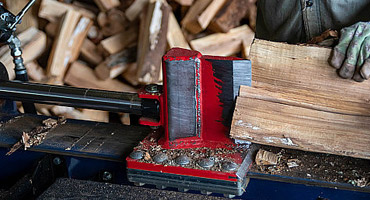
Both types use hydraulic force to drive a splitting wedge through logs, but their power sources create very different performance profiles.
Despicator de bușteni pe benzinăs
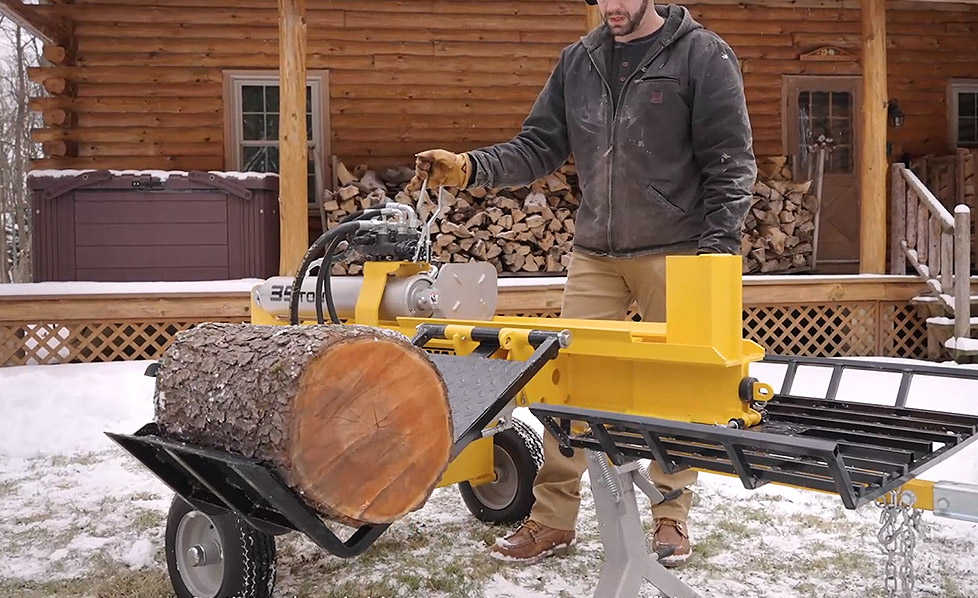
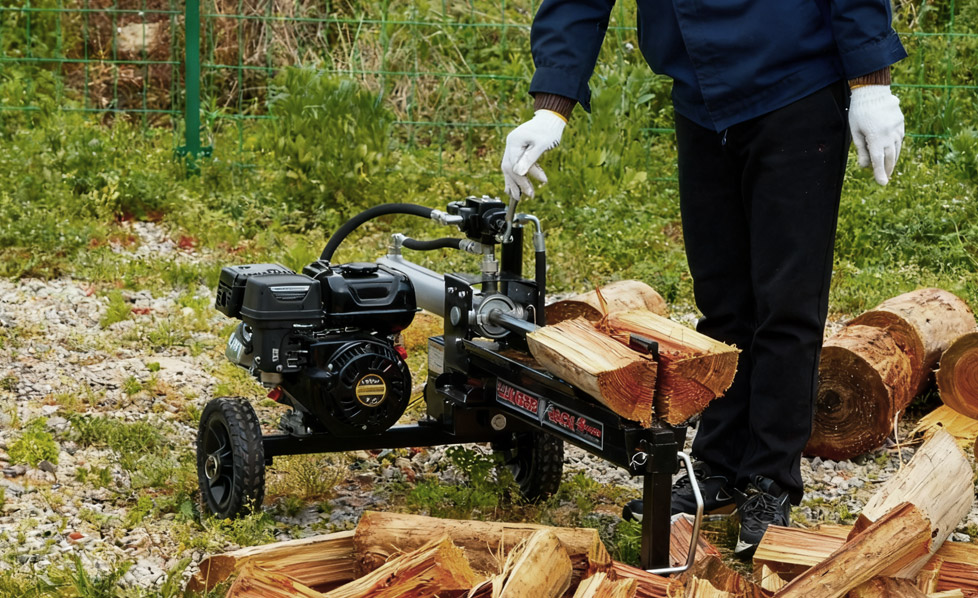
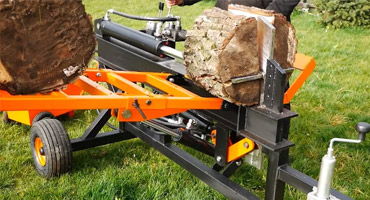
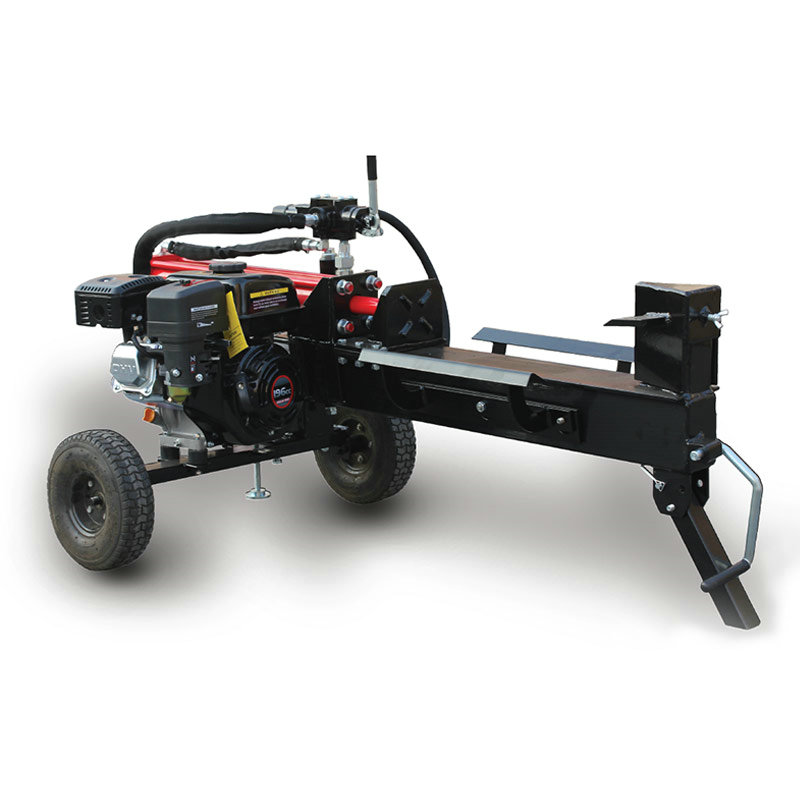
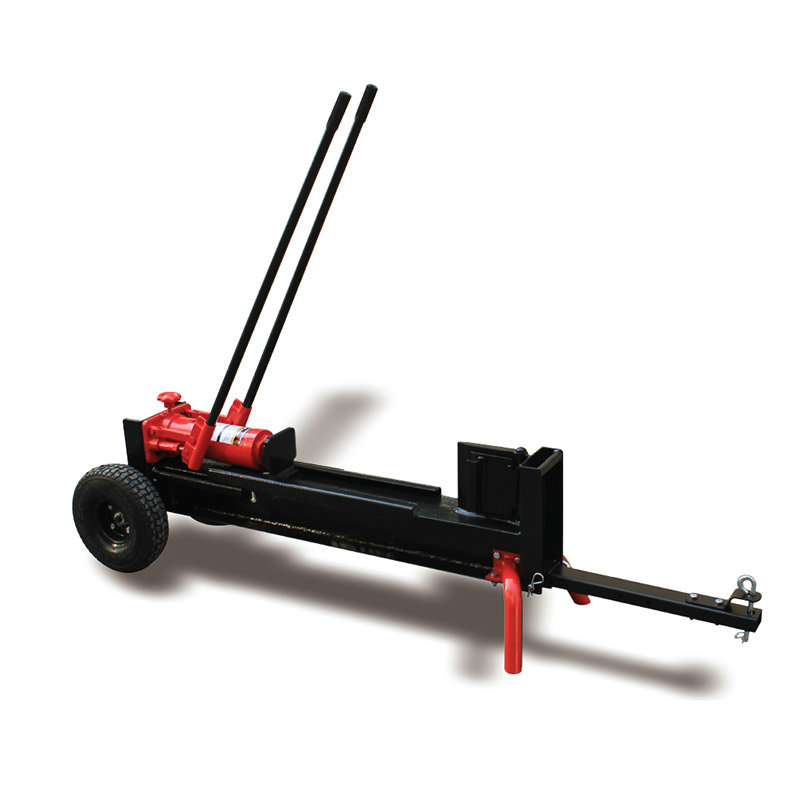
A despicator de busteni pe benzina uses a combustion engine — typically ranging from 5 HP to 15 HP — to drive a hydraulic pump. This produces high splitting forces, commonly between 20 to 35 tonnes , capable of tackling dense hardwoods like ironbark, red gum, or spotted gum. Most petrol models are mounted on wheels or a trailer frame, making them highly portable.
Electric Log Splitters
Electric log splitters run on either 240V household current or battery power. They typically deliver 5 to 10 tonnes of splitting force — adequate for softwoods and smaller diameter hardwood. They operate quietly, produce no exhaust, and require minimal maintenance. However, they need a power source nearby, limiting their usability in the field.
Side-by-Side Comparison: Key Specifications
| Caracteristică | Petrol Log Splitter | Electric Log Splitter |
| Typical Splitting Force | 20–35 tonnes | 5–10 tonnes |
| Portabilitate | High – no power needed | Low – requires power outlet |
| Nivel de zgomot | Loud (85–100 dB) | Quiet (55–70 dB) |
| Întreținere | Regular (oil, spark plugs, air filter) | Minimal |
| Best Wood Type | Dense hardwood, large diameter | Softwood, smaller logs |
| Operating Cost | Higher (fuel maintenance) | Lower (electricity) |
| Cost inițial | Higher | Lower to moderate |
| Emisii | Yes (exhaust fumes) | None at point of use |
| Cycle Time | 5–12 seconds | 10–20 seconds |
When a Petrol Log Splitter Is the Right Choice
A petrol model is the better investment when:
- You're splitting firewood away from any power source — paddocks, bush blocks, or remote rural properties.
- You regularly split large-diameter hardwood that exceeds 300–400mm across.
- You need to process 2 cubic metres or more of wood per session.
- Your work involves knotty, twisted, or green timber that demands consistent high force.
- You want the option to tow the splitter between sites using a vehicle.
A petrol log splitter's 25–35 tonne capacity makes short work of difficult hardwoods that would stall or damage a lower-powered electric unit. For professional firewood cutters, the faster cycle times also mean greater output per hour.
When an Electric Log Splitter Makes More Sense
An electric splitter suits you better when:
- Your splitting is done in a garage, shed, or yard with easy power access.
- You split seasoned softwood like pine, radiata, or similar lower-density species.
- You prefer a low-noise option suitable for residential areas or early mornings.
- Your annual firewood volume is under 5–10 cubic metres .
- You want minimal servicing — no oil changes, carburettor cleaning, or fuel management.
Electric models are also a safer choice for occasional users who won't run a petrol engine regularly enough to keep it in good condition. Petrol engines that sit unused for months can develop fuel system problems, adding to your costs.
Splitting Force: Why It Matters More Than You Think
The splitting tonnage of your machine directly determines which wood you can process. Consider the following general guide:
- 5–7 tonnes: Suitable for dry softwood logs under 300mm diameter.
- 10–15 tonnes: Manevreaza majoritatea lemnului de esenta tare cu diametru de pana la 400 mm.
- 20–25 tonnes: Required for large hardwood rounds and gnarly grain patterns.
- 30 tonnes: Professional-grade performance for dense species and commercial use.
If you underestimate the force you need and buy an electric unit for tough hardwood, you risk stalling the motor, damaging the hydraulics, or getting the wedge stuck mid-split. Buying the right tonnage from the start is far more cost-effective than replacing equipment prematurely.
Running Costs and Maintenance Over Time
The upfront purchase price is only part of the equation. Over a typical 5–10 year ownership period:
Petrol Model Annual Costs (Estimated)
- Fuel (for moderate use): $80–$200 per year
- Engine oil changes (2x yearly): $20–$40
- Spark plugs, air filter, belt checks: $30–$60
- Total estimated annual running cost: $130–$300
Electric Model Annual Costs (Estimated)
- Electricity for typical use: $10–$30 per year
- Hydraulic fluid top-up (occasional): $10–$20
- Total estimated annual running cost: $20–$50
Over five years, the cost difference can easily exceed $1,000 — a meaningful factor if budget is a priority.
Horizontal vs. Vertical Operation: A Practical Feature to Check
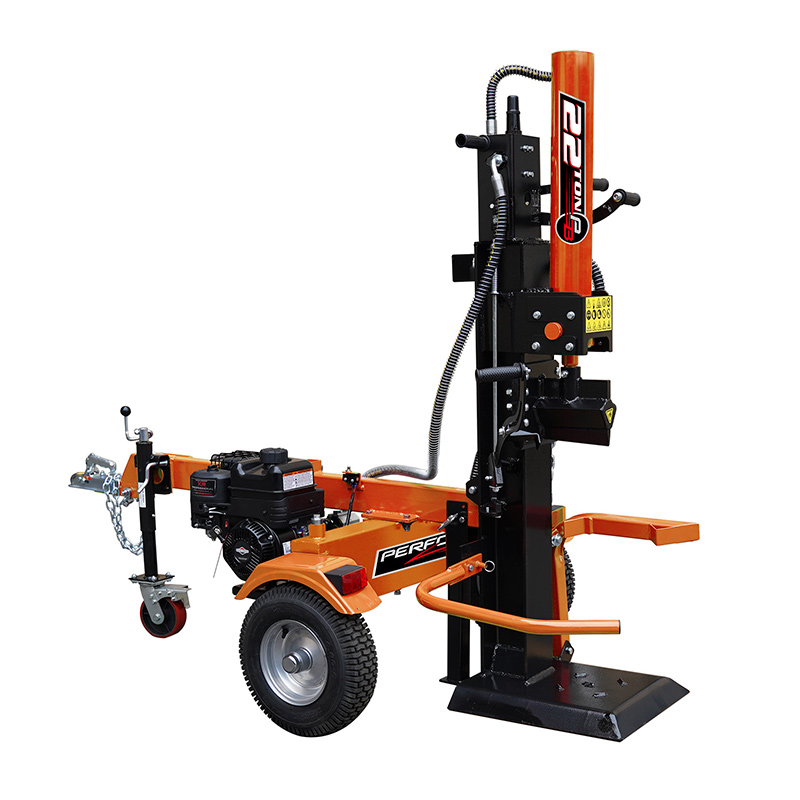
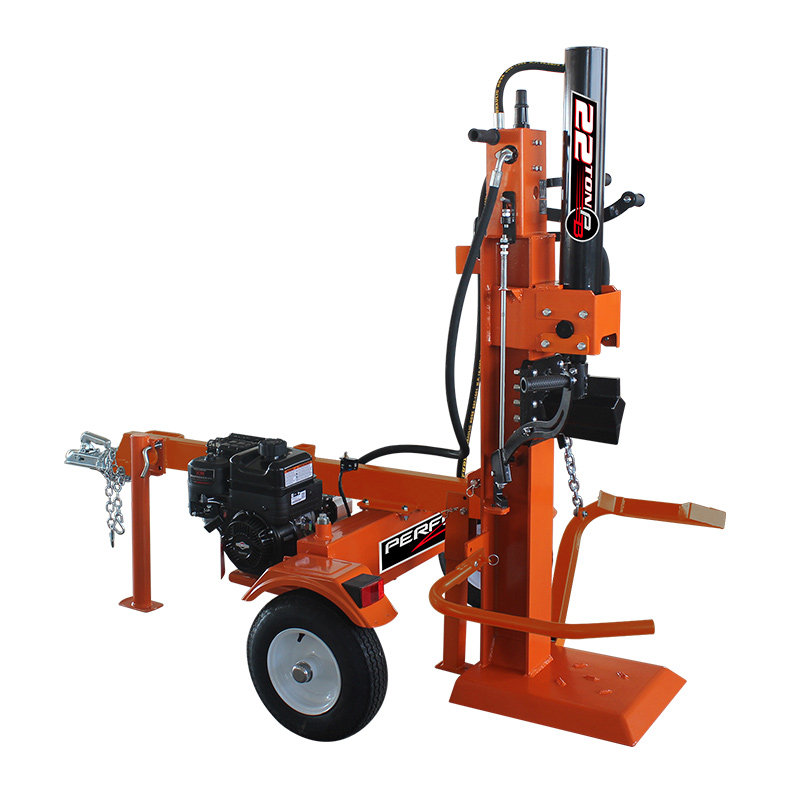
Many petrol log splitters offer dual horizontal and vertical operation . Vertical mode allows you to stand a heavy log upright and split it without lifting it onto the beam — a significant advantage when dealing with rounds weighing 30–60 kg or more . This reduces physical strain and speeds up workflow considerably.
Most standard electric models operate in horizontal mode only, though some higher-end units also offer vertical splitting. If you're processing large logs, this feature alone can justify choosing a petrol model.
Safety Considerations for Both Types
Regardless of which type you choose, log splitters require careful handling. Key safety points:
- Always use a two-hand operation lever — never attempt to hold the log while activating the wedge.
- Purtați steel-capped boots, gloves, and eye protection at all times during operation.
- Never operate a petrol splitter indoors or in an enclosed space due to exhaust fumes.
- Keep bystanders — especially children — at least 5 metres away during splitting.
- Check hydraulic hoses and connections before each use for leaks or wear .
Întrebări frecvente
Q1: Can a petrol log splitter split green (freshly cut) wood?
Da. Petrol models with 20 tonnes of force can handle green wood effectively, though it requires more effort than seasoned timber. Green wood is denser and more fibrous, so allow extra time per split.
Q2: How much wood can a petrol log splitter process per hour?
A typical petrol model can process approximately 1–2 cubic metres per hour depending on log size, wood species, and operator experience. High-tonnage models with faster cycle times can exceed this.
Q3: Do I need a licence or trailer registration to tow a petrol log splitter?
This varies by state and territory. In most Australian states, if the trailer (with splitter) exceeds 750 kg gross vehicle mass , registration is required. Always check your local road rules before towing.
Q4: Can I use an electric log splitter outdoors?
Yes, provided you use a weatherproof outdoor extension cord rated for the machine's amperage, and keep the motor dry. Avoid operating in wet conditions.
Q5: How long do petrol log splitters typically last?
With proper servicing, a quality petrol log splitter can last 15–20 years . Regular oil changes, clean air filters, and proper fuel management are the key factors in longevity.
Q6: What log diameter can most petrol splitters handle?
Most petrol models accommodate logs up to 500–600mm in diameter and 500–600mm in length, though this varies by model. Always check the manufacturer's specifications for maximum log size.
 LANGUAGE